Philippines · Whale sharks
Whale sharks in the Philippines: Oslob, Donsol or Sogod Bay
 By Robert Tramp· Published
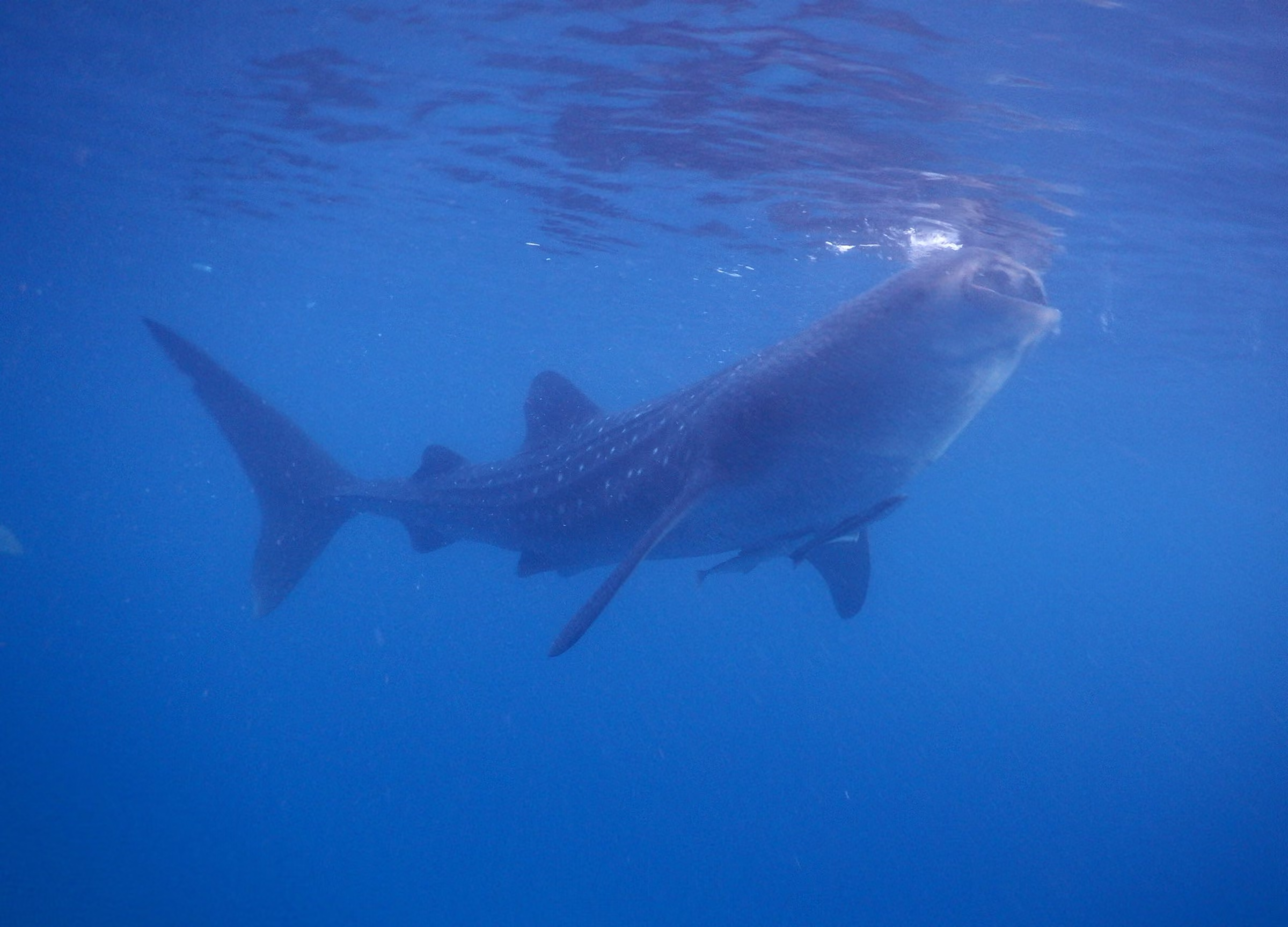
A whale shark in Oslob, Cebu. Photo: James Heilman, MD, CC BY-SA 4.0, via Wikimedia Commons.
- Oslob, Cebu
- Fed, year-round, 6 am to noon
- Donsol, Sorsogon
- Wild, about November to June
- Sogod Bay, Southern Leyte
- Wild, October to May
- All three
- Snorkelling; no touching, no flash
You can swim with whale sharks in three well-known places in the Philippines: Oslob in Cebu, where the sharks are fed and seen every morning, and Donsol in Sorsogon and Sogod Bay in Southern Leyte, where they are wild and seasonal. Which one is right depends on what matters more to you: a near-certain sighting or a wild encounter.
Oslob, Donsol and Sogod Bay side by side
Scroll across for the rest of the columns.
| Oslob, Cebu | Donsol, Sorsogon | Sogod Bay, Southern Leyte | |
|---|---|---|---|
| Sharks fed? | Yes, every morning | No | No |
| Season | All year | About November to June | October to May |
| Hours | 6 am to noon | Boats from 6 to 7 am | Pintuyan trips in the afternoon |
| Snorkel or dive | Both | Snorkel only | Snorkel only |
| Cost for a foreigner | ₱1,000 snorkel, ₱1,500 scuba, plus ₱100 fee | ₱5,000 per boat of up to 6, plus ₱300 fee | ₱300 fee, ₱3,100 for a boat for one |
| Nearest hub | Cebu City, about 4 hours | Legazpi, about 1.5 hours | Maasin or Hilongos |
Sources for each row are in the sections below.
Oslob: fed sharks, every morning
The whale shark watching area is in Barangay Tan-awan, about 10 km from the town of Oslob in southern Cebu. Fishermen started feeding the sharks in late 2011 (Island Trek Tours). The research group LAMAVE reported in 2019 that more than 300 kg of small shrimp are fed every day, and that over 400 different sharks have visited Oslob (LAMAVE).
- Hours: 6 am to noon every day except Good Friday, with registration closing at 11 am. Come early: the crowds peak from 9 to 11 am (Island Trek Tours FAQ, July 2024; Hale Manna, 2026).
- Fees since 21 March 2025: snorkelling ₱1,000 for foreigners and ₱500 for Filipinos, scuba ₱1,500 and ₱1,000, plus a ₱100 environmental fee, per Municipal Ordinance No. 010 s. 2020 as cited by Hale Manna. Confirm at the tourism office.
- Rules: a briefing first, no touching, riding or chasing, no flash, no sunscreen, no splashing on entry, paddle boats only, and 30 minutes in the water (Island Trek Tours FAQ).
- Busy days: queues of 2 to 3 hours at Chinese New Year, Holy Week, All Saints’ Day and the Christmas holidays.
In May 2026 visitors waited for hours and saw no sharks. The Oslob tourism office said they had moved to a neighbouring barangay to follow the plankton, and that operations continued as normal (Inquirer, 23 May 2026).
Getting to Oslob
From the Cebu South Bus Terminal, take a Ceres or Sunrays bus and ask the conductor to stop at the whale shark briefing area on the left of the highway. It takes about 4 hours by bus and 3 by taxi or private car (Island Trek Tours).
The debate about feeding
Researchers disagree about what the feeding does to the sharks.
- The case against. A 2017 study found that feeding makes seasonal visitors stay longer and forage less on their own (Thomson and others, Royal Society Open Science). A 2020 study by LAMAVE found that sharks with more visits avoided people less, and that in 93% of surveys people were less than 2 metres from a shark (Legaspi and others, 2020). LAMAVE called the site overcrowded and recommended a limit of 500 visitors a day (LAMAVE, January 2020).
- The case for. Meekan and Lowe argued in 2019 that there was no scientific evidence that the feeding harms the sharks, and that campaigns against it could threaten local livelihoods and reverse conservation gains (Tourism Management, 2019). Before the tourism began, local fishermen saw the sharks as pests.
Donsol: wild sharks in season
Donsol is in western Sorsogon, at the southern end of Luzon, about 60 km from Legazpi (Philippine Dives, July 2026). The sharks are wild and not fed. The interaction has been community-based, with WWF-Philippines, since 1998, and every boat carries a Butanding Interaction Officer who spots the sharks and enforces the rules.
- Season: about November to June, with the peak from February to April according to Donsol Tourism, or to May according to WWF-Philippines.
- Cost: ₱5,000 per boat for up to six people, plus an environmental fee of ₱300 per person for foreigners and ₱100 for Filipinos (Where & Wander, January 2026).
- Trips: boats leave the Donsol Visitor Center at 6 to 7 am and stay out 3 to 4 hours. Book the day before.
- Rules: snorkelling only, no touching, no flash, no blocking a shark’s path, at most six snorkellers per shark and one boat per shark.
- Sightings: seasonal and not guaranteed. Where & Wander reported in January 2026 that sightings have dropped while prices have risen.
Getting to Donsol
From Legazpi Grand Central Terminal, a shared van takes about 1.5 hours and costs ₱150 to 180 a seat, and a jeepney about 2 hours for ₱70 to 100 (Philippine Dives, July 2026).
Sogod Bay: the wild sharks I filmed
In Southern Leyte the whale sharks are wild and not fed, and feeding, baiting and touching them is not allowed. The official program runs from Pintuyan, from October to May, with the best sightings from November to May. I filmed them in Sogod Bay. Fees, boats, the season and the route from Cebu are all in the Sogod Bay whale shark guide.
Which one to choose
- You want a sighting you can count on, or you want to scuba dive: Oslob.
- You want wild sharks and are on Luzon in February to April: Donsol.
- You want wild sharks in the Visayas, and maybe a few quiet days around them: Sogod Bay, with a crossing to Limasawa.
If you are a certified diver, add Malapascua in northern Cebu for the thresher sharks. And if you would rather go with a small group, the whale shark trip I am planning to Southern Leyte has a free waitlist.
Questions people ask
Where can you swim with whale sharks in the Philippines?
The three best-known places are Oslob in southern Cebu, Donsol in Sorsogon on Luzon, and Pintuyan on Sogod Bay in Southern Leyte.
Are the whale sharks in Oslob fed?
Yes. Local boatmen feed them small shrimp every morning, which is why they are there all year. In Donsol and Sogod Bay the sharks are wild and not fed, so sightings depend on the season and on luck.
When is whale shark season in the Philippines?
Oslob runs all year because the sharks are fed. Donsol's season is about November to June, peaking February to April or May. In Sogod Bay it is October to May, with the best sightings from November to May.
How much does it cost to swim with whale sharks in Oslob?
Since March 2025, snorkelling costs ₱1,000 for foreigners and ₱500 for Filipinos, and scuba ₱1,500 and ₱1,000, plus a ₱100 environmental fee, according to a 2026 guide citing the municipal ordinance.
How much is the Donsol whale shark tour?
A boat for up to six people costs ₱5,000, plus an environmental fee of ₱300 per person for foreigners and ₱100 for Filipinos, according to Where & Wander in January 2026.
Is Oslob whale shark watching ethical?
Researchers disagree. Studies by LAMAVE found that fed sharks stay longer, change their behaviour and get closer to people, while Meekan and Lowe argued in 2019 that there is no scientific evidence the feeding harms the sharks. The facts are set out below so you can decide.
One email when there is a new guide
I write when there is a new guide, and only then.