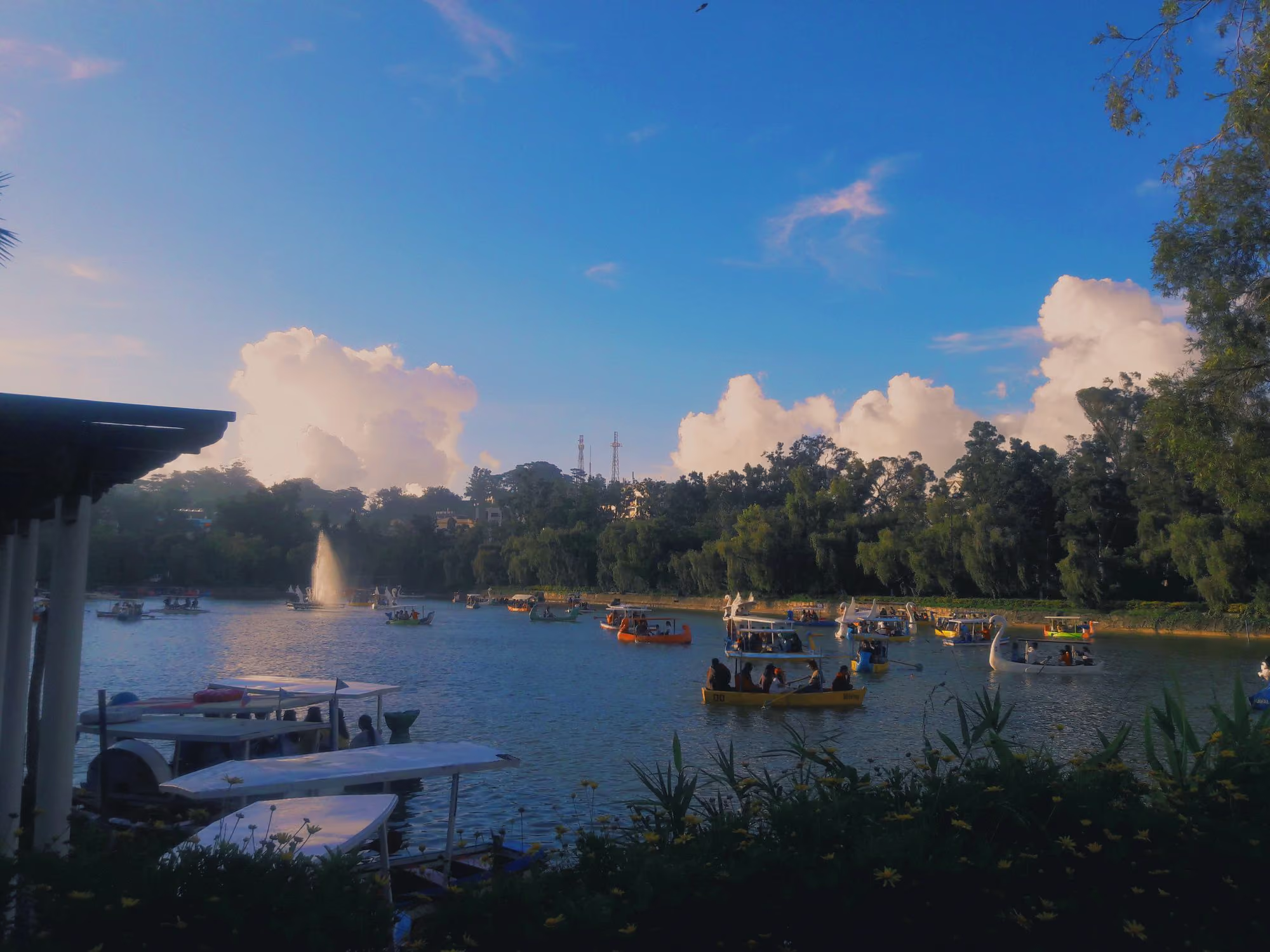
Baguio
Where to stay in Baguio: Session Road or Camp John Hay
Photo: Avrilsc95, CC BY-SA 4.0, via Wikimedia Commons.
Baguio is small enough to look walkable on a map and still have jammed traffic at the centre, especially in peak season. The area you pick decides whether you walk to dinner or sit in a jeepney queue to get there.
Quick picks
- First time in Baguio, no car: downtown, near Session Road and Burnham Park. Markets, cheap eats and most budget hotels are within walking distance of each other.
- Want quiet and pine forest, short ride into town is fine: Camp John Hay.
- The viewpoints (Mines View, Wright Park, The Mansion) matter more than the market area: the Legarda / Mines View side.
- Driving yourself, want cheaper and quieter: La Trinidad and the outskirts.
Comparing the four areas
Scroll across for the rest of the columns.
| Area | Feel | Distance from Session Road | Price bracket | Best for |
|---|---|---|---|---|
| Downtown (Session Road, Burnham Park) | Markets, cheap eats, most budget and mid-range hotels, walkable | On it | Budget to mid-range | First-timers without a car, anyone who wants to walk everywhere |
| Camp John Hay | Former US base turned park, pine forest, golf course, calmer hotels | A short ride | Mid-range to upscale | A slower stay, away from the downtown crowds |
| Legarda / Mines View side | Near Wright Park, Mines View and The Mansion, its own small hotel cluster | A short ride | Budget to mid-range | Travellers prioritising the viewpoints over the market area |
| La Trinidad / outskirts | Cheaper, quieter, further from everything | A longer ride | Budget | Travellers with their own car who don’t mind the commute |
Downtown: Session Road and Burnham Park
The markets, the cheap eats, Burnham Park and most of the budget and mid-range hotels sit within walking distance of each other here. It is the easiest base if you do not have a car and want to see the city on foot. It is also the busiest and the loudest part of town. A jeepney out to any of the other three areas starts at ₱14 for the first 4 kilometres, so leaving downtown is cheap even if it isn’t a walk, see Getting around Baguio below for the full fare breakdown.
Why here: markets, food and most hotels within walking distance. Why not: the busiest, loudest part of the city.
Camp John Hay: quiet and pine forest
A former US base turned into a park-like area with its own forest, golf course and a calmer set of hotels and lodges. It suits a slower stay, away from the downtown crowds, but you will take a ride into the centre for the markets and most restaurants. The grounds cover around 213 hectares of pine forest, handed over from US military control to the Philippine government on 1 July 1991, which is part of why it still feels more like a forest reserve than a hotel strip.
Why here: pine forest, quiet, its own golf course. Why not: a ride into downtown for the markets and most restaurants.
Legarda and Mines View side: closer to the viewpoints
The strip near Wright Park, Mines View and The Mansion has its own cluster of hotels and inns, a short ride from downtown. It works if those sights matter more to you than being in the thick of the market area. Mines View Park itself sits about 4.3 kilometres, roughly an 11-minute drive, from the upper end of Session Road, which is the short ride this area trades for being away from downtown’s markets.
Why here: closest to Mines View, Wright Park and The Mansion. Why not: a ride, not a walk, from Session Road and the markets.
La Trinidad and the outskirts: only with your own car
Further out, towards La Trinidad or the roads leading out of the city, lodging is cheaper and quieter but every trip into the centre is a ride, not a walk. Choose this only if you are driving yourself and do not mind the commute. La Trinidad itself sits about 6 kilometres north of central Baguio and is known as the country’s Strawberry Capital as well as one of its main vegetable trading posts, which is why the roadside stalls along the highway here look nothing like downtown’s shops.
Why here: cheaper, quieter rooms. Why not: every trip into downtown Baguio is a ride.
Best time to stay: cool season, Panagbenga and the rains
Baguio’s weather swings less than most of the country’s, but the calendar still decides how expensive and how crowded your stay will be, whichever of the four areas you pick.
Cool, dry season (November to May): this is Baguio at its most comfortable, daytime temperatures of roughly 17-24°C and cooler evenings of 9-12°C, well below what the rest of the country sees at the same time of year.
Panagbenga (February into early March): Baguio’s flower festival is the single biggest driver of crowding and pricing citywide, not just downtown. In 2026 the festival ran from 1 February to 8 March, with the Grand Street Dancing Parade on 28 February and the Grand Float Parade on 1 March. The festival draws around 2 million visitors, with occupancy at The Manor and Baguio Country Club already around 95% by December and premium rooms carrying surge pricing up to triple the standard rate over the final weekend. Book early if your dates fall near the last weekend of February.
Busiest months overall: February, April and December are Baguio’s busiest months for crowds and pricing, Panagbenga driving February, Holy Week and the school break pushing April, Christmas filling December.
Rainy season (June to September, tapering off into early October): rainfall builds through July and August, August is typically the wettest month, before easing off by October. Typhoons are the real risk here, they’re usually forecast several days ahead, so check PAGASA before you travel and be ready to shift your dates if a storm is tracking toward northern Luzon.
Getting around Baguio
Jeepneys, taxis and Grab or other TNVS rides cover the city, and which one makes sense depends on the area you’ve picked.
Jeepneys are the cheapest way to move around. As of the fare update effective 28 September 2026, traditional jeepneys charge ₱14 for the first 4 kilometres plus ₱2 for each additional kilometre, and the newer modern or electric jeepneys charge ₱17 for the first 4 kilometres plus ₱2.40 per kilometre after that. Students, senior citizens and PWDs get a 20% discount on top of those fares.
Taxis charge a provisional flag-down rate of ₱65, up from the earlier ₱50 rate, metered after that. Grab and other TNVS base fares run from roughly ₱55 for a hatchback up to ₱165 for a premium vehicle, plus about ₱15 per kilometre once the car is moving, so a short downtown hop costs noticeably less than a ride out to Camp John Hay or La Trinidad.
Downtown itself you can walk. Everywhere else is a ride: Mines View Park sits about 4.3 kilometres, roughly an 11-minute drive, from the upper end of Session Road, and La Trinidad is about 6 kilometres further north again.
During Panagbenga, getting around changes entirely. Session Road, Harrison Road and parts of Magsaysay Avenue close to vehicles for the street events, so the usual jeepney and taxi routes through the centre aren’t available, and Kennon Road, the shortest route up from the lowlands, has closed for festival periods with traffic rerouted via Marcos Highway, adding hours to the Manila drive. Allow extra time for any trip in or out of the city.
Connectivity: SIM cards, WiFi and power
Signal and WiFi in Baguio are generally better than in most of the Philippines outside Manila, but both vary by area and by hotel.
SIM cards: Smart and Globe both cover the city well. Smart tends to edge ahead on raw speed right in the centre, around Session Road and SM Baguio, with download speeds in roughly the 20-40 Mbps range on a good day, while Globe runs stronger toward Camp John Hay, Mines View Park and the Botanical Garden. Both carriers run full service centres at SM Baguio on Luneta Hill if you need a local SIM once you’ve arrived.
Hotel WiFi quality varies a lot even within the same price bracket, older heritage hotels along Session Road tend to run weaker connections than newer properties near SM Baguio, and WiFi here commonly throttles video streaming. Public WiFi, where it exists, is often open or secured with a shared password printed on a receipt, so treat it like any open network.
Power: Baguio’s grid is generally reliable, but prolonged outages during typhoon season, roughly June through October, can knock out power and cell towers for hours at a stretch. A power bank is worth packing regardless of which of the four areas you choose.
For ATMs and cash, see the FAQ below, Session Road is well-banked but the public market and jeepneys are cash-only.
Before you book
Check the calendar before you pick dates. Panagbenga, Holy Week and the December break fill the city and slow the road up from the lowlands, so book earlier and expect a longer drive than usual.
See the Burnham Park guide for free entry, opening hours, the boats and bike rental, and Wright Park horseback riding price and Burnham Lake boat fee for what the two classic park rides cost.
Coming from Manila? See how to get to Baguio from Manila for Victory Liner fares by terminal, and Baguio in 3 days for how to split the trip.
Places to stay in Baguio
The best hostels, budget stays, resorts and hotels in Baguio, with the area each one is in.
The best hostels in Baguio
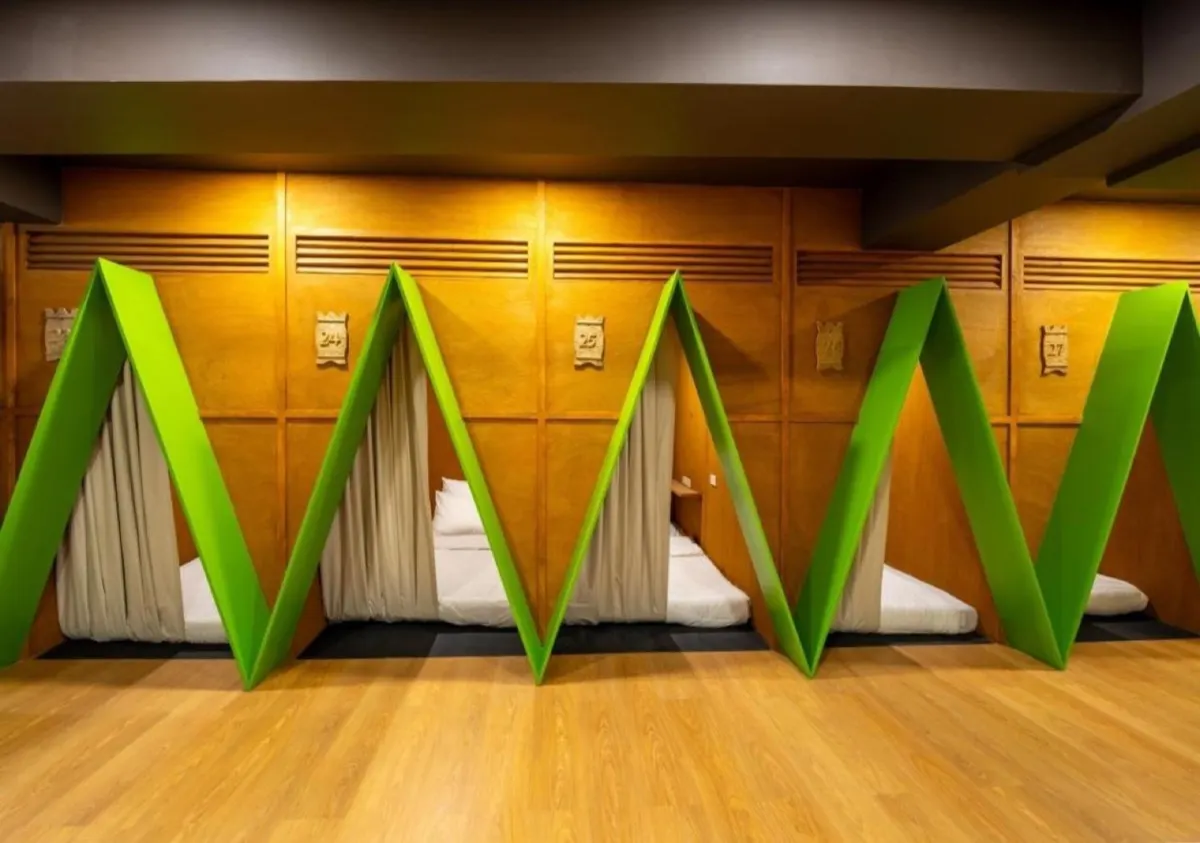
3BU Hostel
A social hostel in Baguio with reasonable rates for longer stays, a friendly crowd and regular parties.
Dorm beds from about ₱1,480 a night
Book on Booking.com (affiliate link) — I earn a commission if you book through itBook on Agoda (affiliate link) — I earn a commission if you book through it
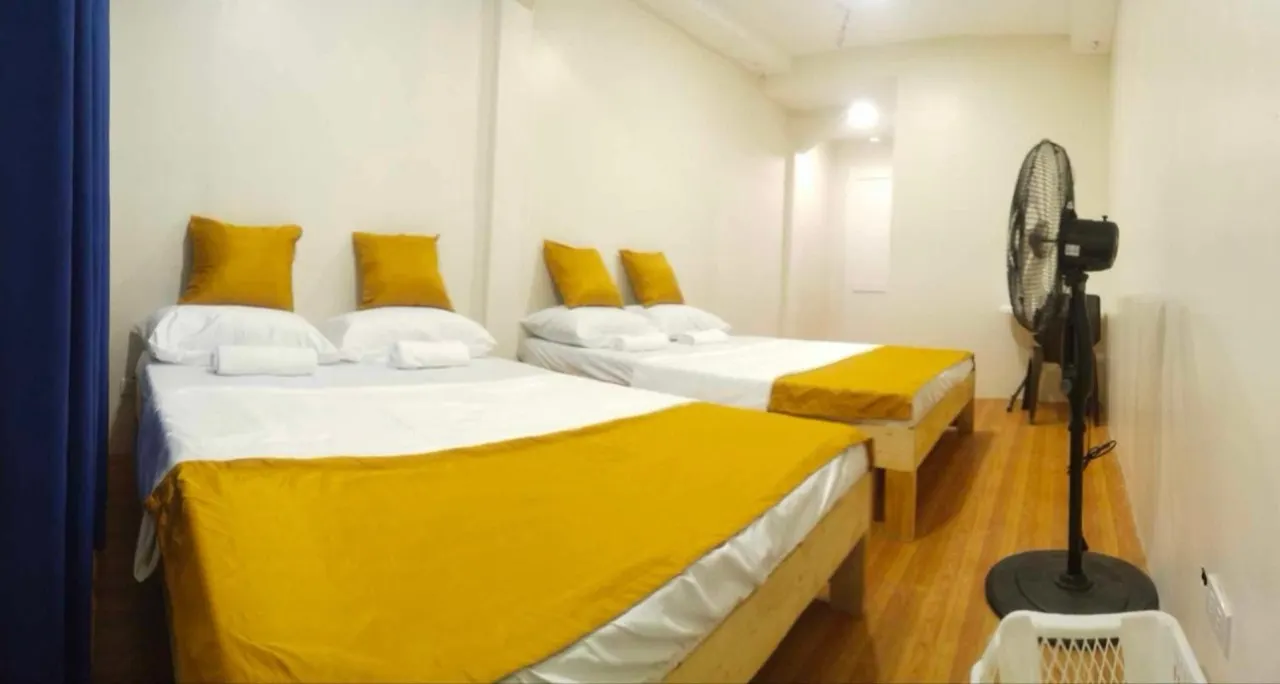
Baden Powell Hostel
A hostel on Session Road in Baguio with private rooms and bathrooms, city views, a garden and a 24-hour front desk.
Private rooms from about ₱2,460–3,040 a night
Book on Booking.com (affiliate link) — I earn a commission if you book through itBook on Agoda (affiliate link) — I earn a commission if you book through it
The best budget stays in Baguio
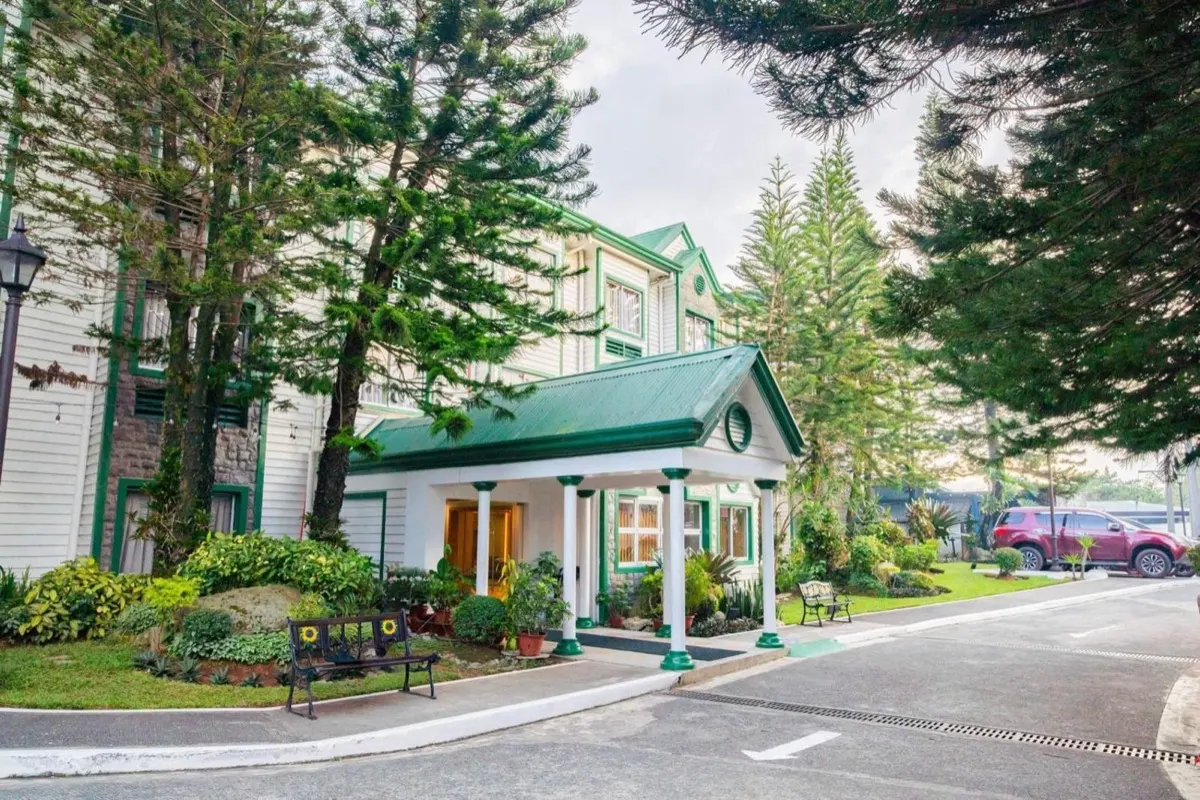
Microtel by Wyndham Baguio
A Wyndham hotel on Upper Session Road in downtown Baguio, within walking distance of Session Road and SM Baguio.
Book on Booking.com (affiliate link) — I earn a commission if you book through itBook on Agoda (affiliate link) — I earn a commission if you book through it
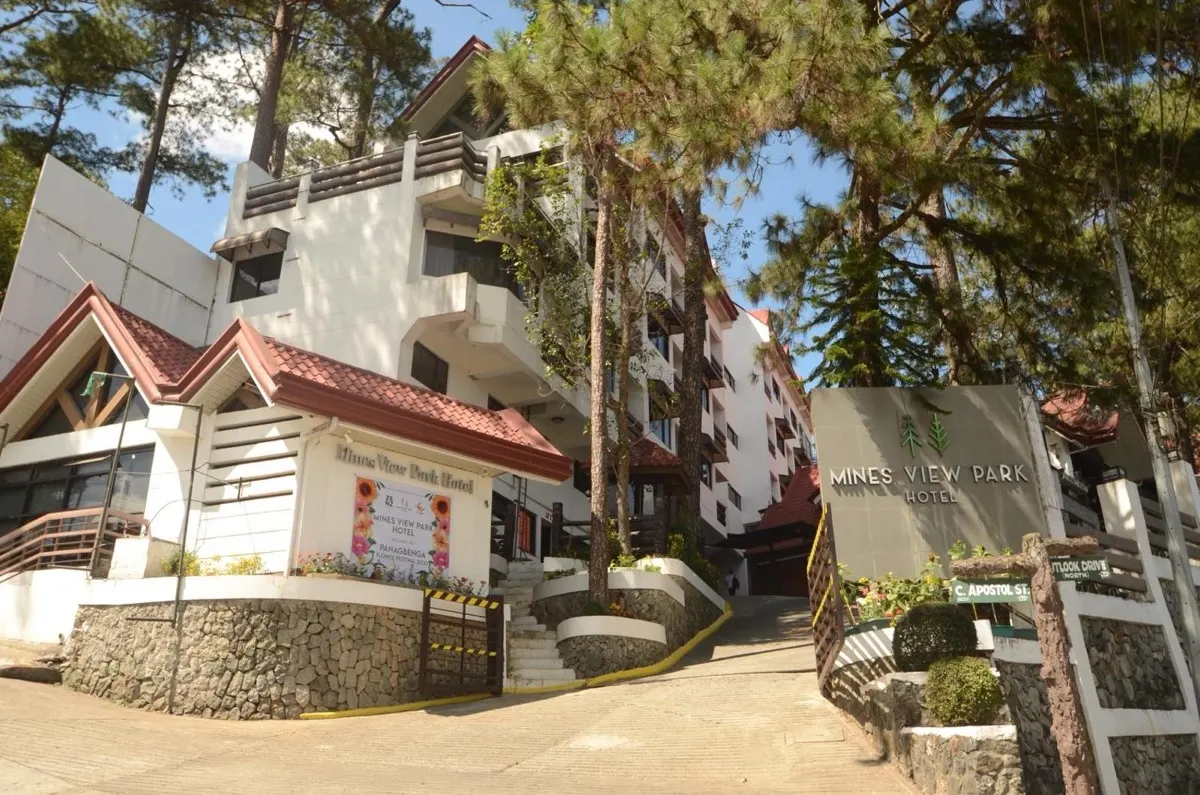
Mines View Park Hotel
A Baguio hotel a four-minute walk from Mines View Park and six minutes on foot from Wright Park.
Book on Booking.com (affiliate link) — I earn a commission if you book through itBook on Agoda (affiliate link) — I earn a commission if you book through it
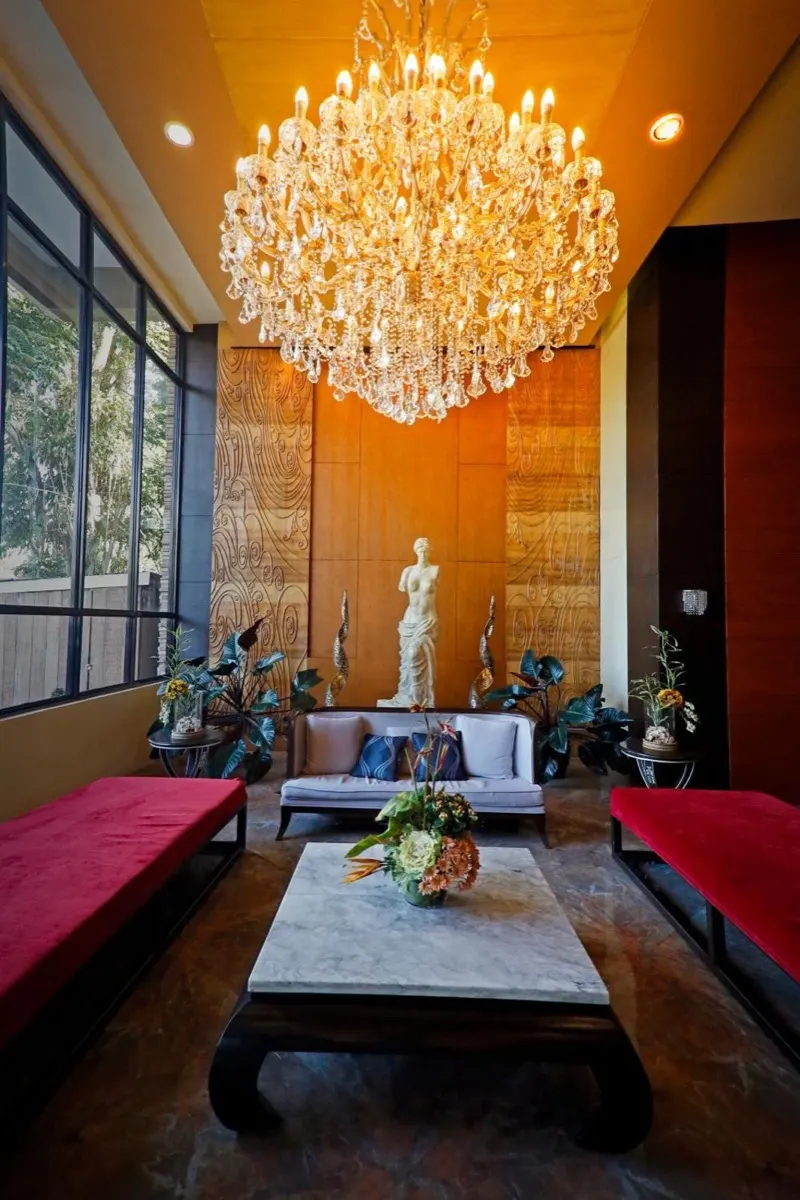
Venus Parkview Hotel
A value-priced downtown hotel in Baguio, set directly opposite Burnham Park in the city centre.
Book on Booking.com (affiliate link) — I earn a commission if you book through itBook on Agoda (affiliate link) — I earn a commission if you book through it
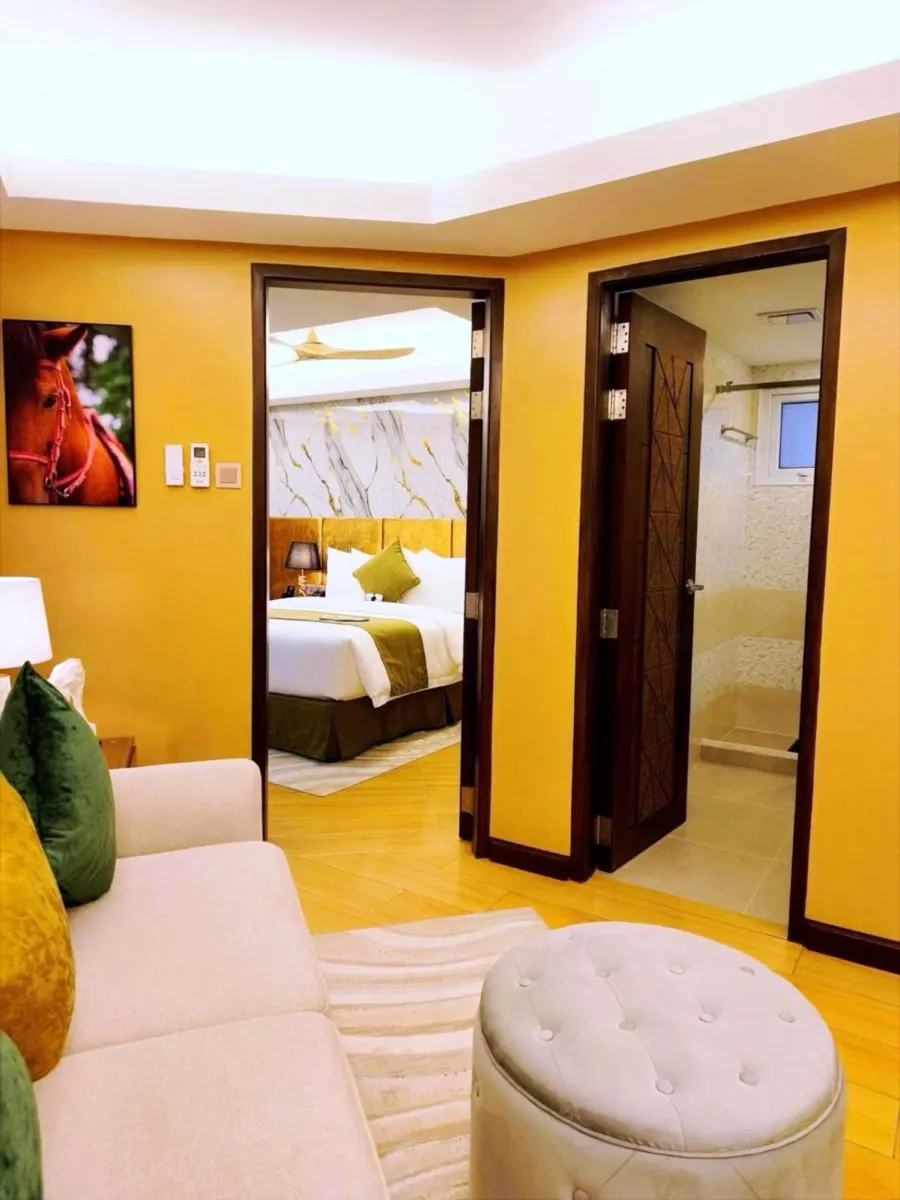
Wright Park Hotel
A hotel on Romulo Drive in Baguio, close to Wright Park and about 0.8 miles from Mines View Park.
Book on Booking.com (affiliate link) — I earn a commission if you book through itBook on Agoda (affiliate link) — I earn a commission if you book through it
The best resorts and hotels in Baguio
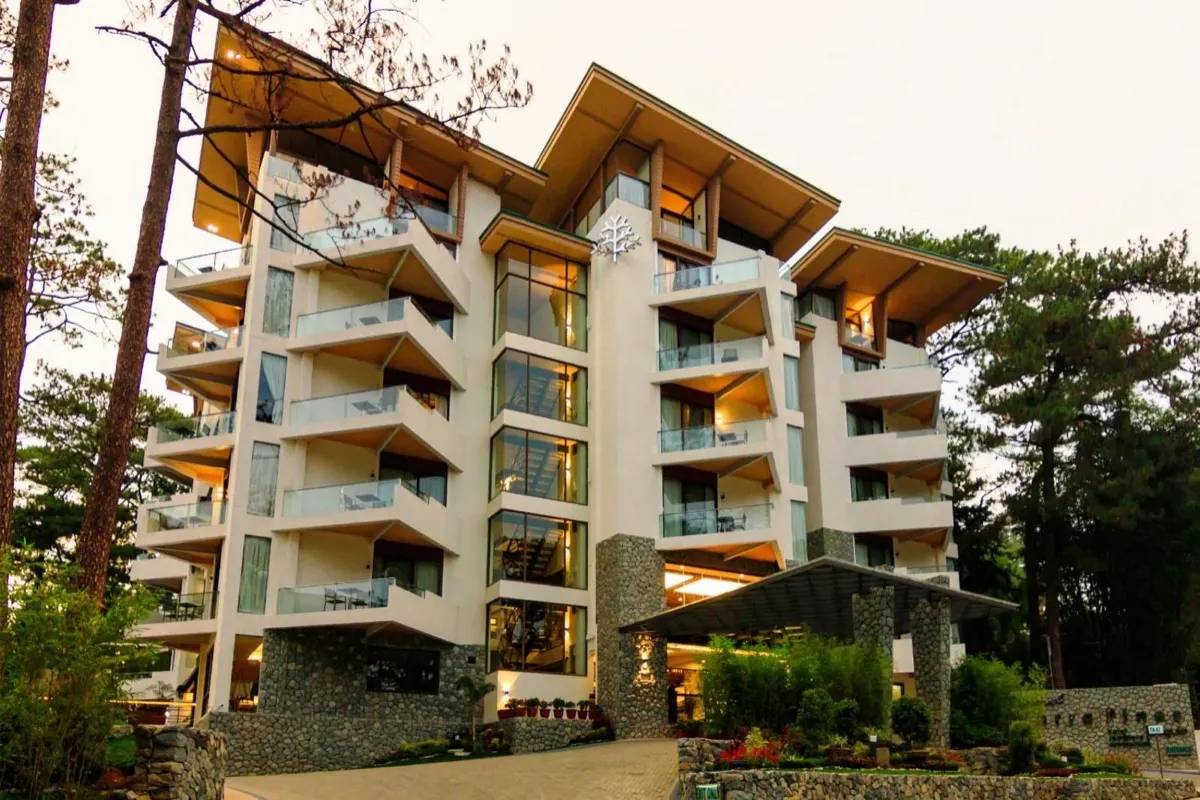
Grand Sierra Pines Baguio
A boutique hotel in Baguio near Wright Park, The Mansion and Mines View Park.
Book on Booking.com (affiliate link) — I earn a commission if you book through itBook on Agoda (affiliate link) — I earn a commission if you book through it
Prices checked 21 October 2026, they change with dates.
More places to stay: every stay I recommend in the Philippines and the best hostels in the Philippines.
Questions people ask
Where should I stay in Baguio?
Downtown, near Session Road and Burnham Park, if you want to walk to restaurants and the markets. Camp John Hay if you want quiet and pine trees and do not mind a short ride into the centre.
Is Camp John Hay far from the city centre?
A short drive, not a walk. It sits above the city in its own forested area, so you trade walkability for quiet.
Is it worth staying near Mines View instead of downtown?
Only for a specific trade-off, the viewpoints versus downtown's market buzz. See Legarda and Mines View side: closer to the viewpoints above for how that plays out.
Should I stay in La Trinidad instead of Baguio proper?
Only if you have your own car and want cheaper, quieter rooms. Every trip into downtown Baguio from La Trinidad is a ride, not a walk.
When is Baguio the most crowded?
Panagbenga in February to March, Holy Week and the December school break. Traffic into the city is slow at those times, so book well ahead or expect a long last stretch on the road.
How many days do I need in Baguio?
Most visitors base themselves for 2-3 nights: enough for the parks and markets downtown and a slower day around Camp John Hay or the viewpoints, see Baguio in 3 days for how that splits.
Do I need to book ahead in Baguio?
During Panagbenga, Holy Week and the December break, yes, downtown's better-located rooms fill up, so booking a few days to two weeks ahead is safer than arriving and looking.
Where should I stay in Baguio on a budget?
Downtown has the widest range of budget and mid-range hotels within walking distance of Session Road and the markets, see the comparison table above.
How cold does it get in Baguio, what should I pack?
In the cool, dry season (November to May) daytime temperatures run roughly 17-24°C and evenings drop to 9-12°C. Pack layers, a light jacket or windbreaker and a long-sleeve top, rather than just summer clothes.
Do I need a car to get around Baguio?
No. Jeepneys cover most neighbourhoods from ₱14 for the first 4 kilometres (₱17 on the modern jeepneys), taxis start at a ₱65 flag-down, and Grab works but can surge in price at peak hours. Downtown itself is walkable.
Are there ATMs in Baguio?
Yes, Baguio is well-banked. BDO, BPI and Landbank all have branches and ATMs on or near Session Road, plus more inside SM City Baguio, so cash is easy to find downtown. Jeepneys and the public market are still cash-only, so carry small bills for those.
Is Baguio safe for tourists?
Day-to-day crime against tourists is low, but the Baguio City Police has repeatedly warned visitors about accommodation booking scams, someone posing as the owner of a transient house or Airbnb and taking payment for a place that doesn't exist or isn't theirs to rent. Book through a known platform or confirm the owner via the city's own accreditation list at visita.baguio.gov.ph before paying anything upfront.
One email when there is a new guide
I write when there is a new guide, and only then.