
Manila
Where to stay in Manila: which area fits you
Photo: RhonVelarde01, CC BY-SA 4.0, via Wikimedia Commons.
Manila is not one place. It is a string of cities that run into each other, and the traffic between them is slow. So the decision that actually matters is not which hotel, but which area, get that right and you spend your evenings where you are, not in a taxi getting there.
Quick picks
- First time in Manila, want hostels and nightlife: Poblacion, Makati. Hostels, bars and late food within walking distance of each other.
- Want a calm, modern arrival: Bonifacio Global City (BGC).
- The old city is why you came: Intramuros, otherwise visit it for a day from Makati or BGC.
- Layover or an early flight: Pasay or Parañaque, near the NAIA terminals.
Comparing the four areas
Scroll across for the rest of the columns.
| Area | Feel | Distance from the airport | Price bracket | Best for |
|---|---|---|---|---|
| Makati / Poblacion | Hostels, bars, late-night food, walkable at night; the rest of Makati is quieter | A 20-40 minute drive, traffic-dependent | Budget to mid-range | First-timers, solo travellers, anyone wanting a night out on foot |
| Bonifacio Global City (BGC) | Modern, walkable, calm, malls and dining | A 20-40 minute drive, traffic-dependent | Mid-range to upscale | A comfortable first visit, less nightlife-focused |
| Intramuros / old city | Walled city, churches, museums, quiet in the evening | A 30-50 minute drive, traffic-dependent | Budget to mid-range | The history, not the nightlife |
| Pasay / Parañaque (airport side) | Hotels clustered around the NAIA terminals | A few minutes to a short drive | Budget to upscale | A layover, an early flight or a late arrival |
Makati and Poblacion: the default for hostels and going out
Most foreign visitors end up in Makati, and most of those in the Poblacion neighbourhood. It is where the hostels are, and bars, late food and live music sit close enough to walk between. If you are travelling on your own, want to meet other travellers, or want a night out without planning how to get home, this is the area. See the best hostels in Manila for a bed.
The rest of Makati, around the business district, is easier and quieter: more hotels, malls and restaurants, and a very different feel from Poblacion at midnight. If you want to sleep, choose a room away from the bar streets.
Makati also has its own MRT-3 stop, Ayala, the most useful rail station for this area and the one most transit guides point to for reaching Ortigas or Quezon City without a car. It doesn’t help much for Poblacion itself, the nightlife strip is a walk or short Grab ride from the station, not on top of it.
Why here: hostels, bars and food within walking distance, plus Makati’s own MRT-3 stop for day trips elsewhere in the city. Why not: loud at night close to the bar streets, and rooms directly on the Poblacion strip book out first in peak periods.
Bonifacio Global City (BGC): comfort and a clean start
BGC is modern, walkable and calm compared with the rest of the city. It suits a first visit where you would rather have an easy arrival than an atmosphere. Nights out are possible but it is quieter than Poblacion, and rooms cost more.
BGC has no MRT or LRT station of its own. The nearest MRT-3 stops, Guadalupe and Ayala, sit across the Pasig River in Makati, so getting in or out means a bus, Grab or taxi, not a direct rail connection. That’s one reason BGC leans on Grab more than Makati does.
Why here: modern, walkable, calm, close to malls and dining. Why not: quieter nightlife than Poblacion, higher room rates, and no direct MRT or LRT access in or out.
Intramuros and the old city: for the history
The walled city, the churches and the museums are here, and a day on foot is worth it. In the evening it is quiet. Stay here only if the old city is the reason you came, otherwise visit it for a day from Makati or BGC.
Intramuros isn’t on the MRT-3 line, but LRT-1’s Central Terminal station is the stop most transit guides point to for Old Manila, close enough that you cross Taft Avenue on foot rather than book a ride. That makes a day trip in from Makati or BGC genuinely easy by rail.
Why here: inside or next to the walled city, a short walk to the churches and museums, and reachable by LRT-1 if you’d rather not pay for a Grab. Why not: quiet in the evening, fewer restaurants and bars than Makati or BGC.
Near the airport: for a layover or an early flight
If you land late or leave early, sleeping in Pasay or Parañaque near the terminals saves you a long, slow ride. It is a place to sleep, not a place to see.
None of Manila’s rail lines reach NAIA directly, the nearest MRT-3 stops are Taft and Ayala, both still a bus or Grab ride away. In practice almost everyone staying near the airport uses a hotel shuttle, a pre-booked transfer or Grab for that last stretch.
Why here: a few minutes to the NAIA terminals, and no rail connection to rely on anyway. Why not: little to see or do within walking distance.
One thing to plan around
Distances in Manila are short on a map and long in a car. Do not book across the city from where you want to spend your evenings. If your trip is mostly going out, stay where you will be going out.
If the old city is why you’re here, see Intramuros: entrance fees, kalesa rides and tour costs for what a day inside the walls costs, and things to do in Manila beyond Intramuros for Rizal Park, the National Museum and Binondo.
Landing at NAIA first? See NAIA airport to the city for Grab, taxi and shuttle costs, Manila in 2 days for how to split a short stopover, and best time to visit and what a stopover costs for the full budget.
Getting around Manila
Grab is the default way to move between these four areas, more predictable than flagging a taxi since the fare is fixed and shown before you book. A regular metered taxi’s flagdown fee is ₱40 plus ₱14 per kilometre, plus ₱120 an hour if you’re sitting in traffic, worth knowing given how much time that can add up to on a bad day. GrabCar’s own listed base fare is around ₱40 plus roughly ₱12 per kilometre before surge pricing, with tolls added on top.
Those base numbers move a lot in practice. A short hop within central Manila, Makati to Intramuros for example, typically runs ₱150-300, but during the two daily surge windows, roughly 7-10am and 5-9pm, or in a rainstorm, the same ride can jump to ₱400-500. A transfer between NAIA and any of these four areas runs ₱250-450 depending on the terminal and the traffic, and the run from NAIA Terminal 3 to Intramuros takes 30-50 minutes in light traffic but 60-90 minutes at rush hour. Booking a Grab a little early around those windows saves both time and money.
Rail helps less than you’d expect for this set of areas. MRT-3 runs the length of EDSA, and its Ayala station is the most useful stop for Makati, but the line does not enter BGC, does not reach Intramuros, and does not reach NAIA directly. LRT-1 is the better line for Intramuros specifically: get off at Central Terminal and the walled city is a short walk across Taft Avenue. For most people staying in these four areas, Grab for door-to-door trips and the trains only for the legs they’re good at is the practical combination.
Connectivity and ATMs
A tourist SIM is easy to sort on arrival. Globe, Smart and DITO all sell short-stay data packages, and Globe and Smart both run counters in NAIA’s arrival halls, with 7-Eleven stores inside the terminals as a backup if the counters are closed. In the city, carrier stores, the bigger malls (SM, Robinsons, Ayala) and convenience stores sell SIMs too. Coverage is solid across all four areas on this page: Smart’s network is generally rated the most reliable for tourists, with Globe close behind, and both carriers cover Makati’s CBD and BGC’s malls well.
For cash, Visa and Mastercard work at most ATMs on the BancNet network across all four areas, but foreign cards typically get charged ₱200-300 per withdrawal by the local bank, on top of whatever your home bank charges. HSBC doesn’t charge a fee for foreign cards but has very few branches in Manila. Per-transaction limits run ₱10,000-20,000 and daily caps ₱20,000-50,000, low enough that a longer trip means several withdrawals rather than one. It is safer to use ATMs inside malls and bank branches than standalone street machines in BGC, Makati or similar districts, to reduce skimming risk, advice that applies just as well in Intramuros and around the airport hotels.
Places to stay in Manila
The best hostels, budget stays, resorts and hotels in Manila, with the area each one is in.
The best hostels in Manila
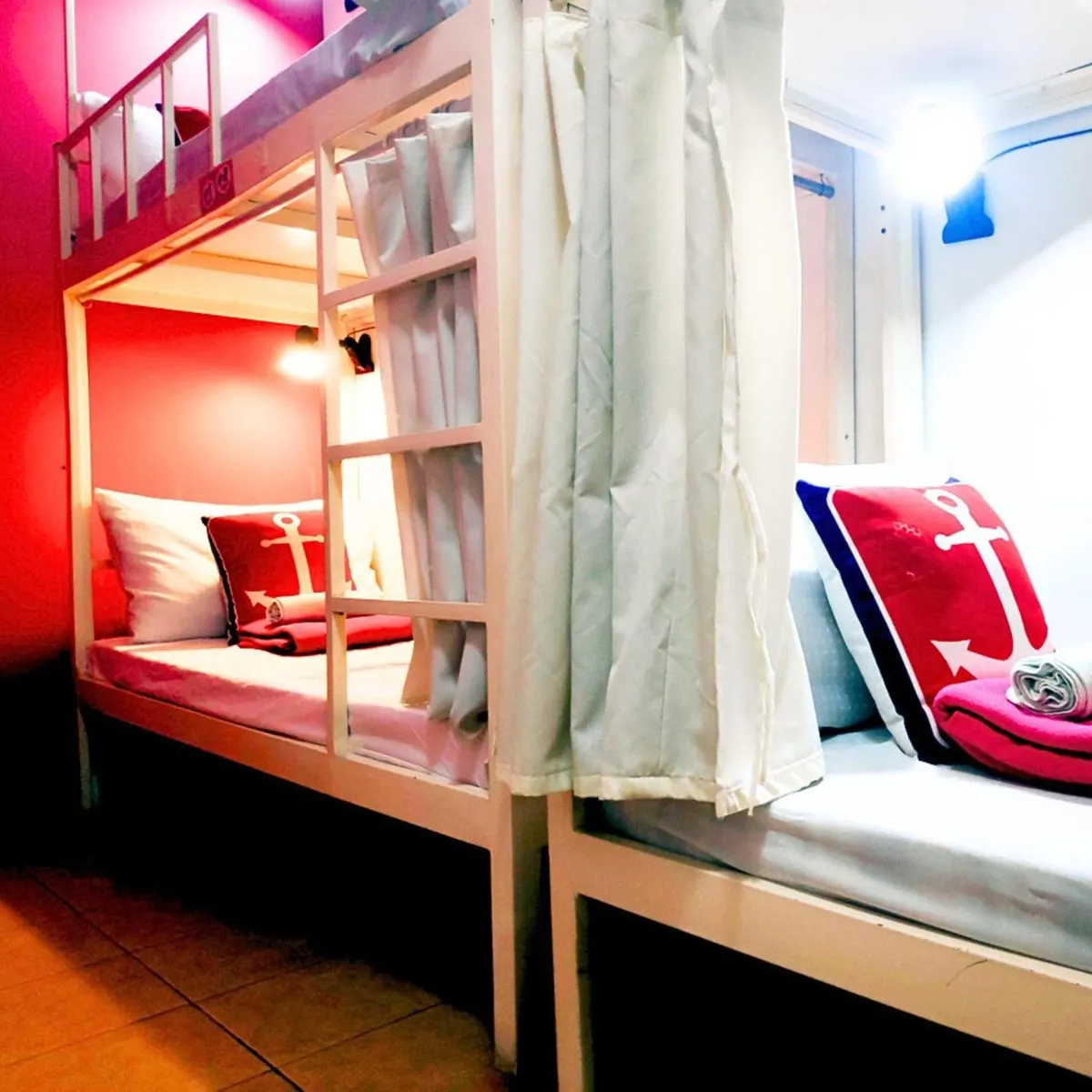
Crossroads Hostel
A budget hostel in Manila near SM Megamall and Shangri-La Plaza, with air-conditioned dorms and free Wi-Fi.
Dorm beds from about ₱800 a night
Book on Booking.com (affiliate link) — I earn a commission if you book through itBook on Agoda (affiliate link) — I earn a commission if you book through it
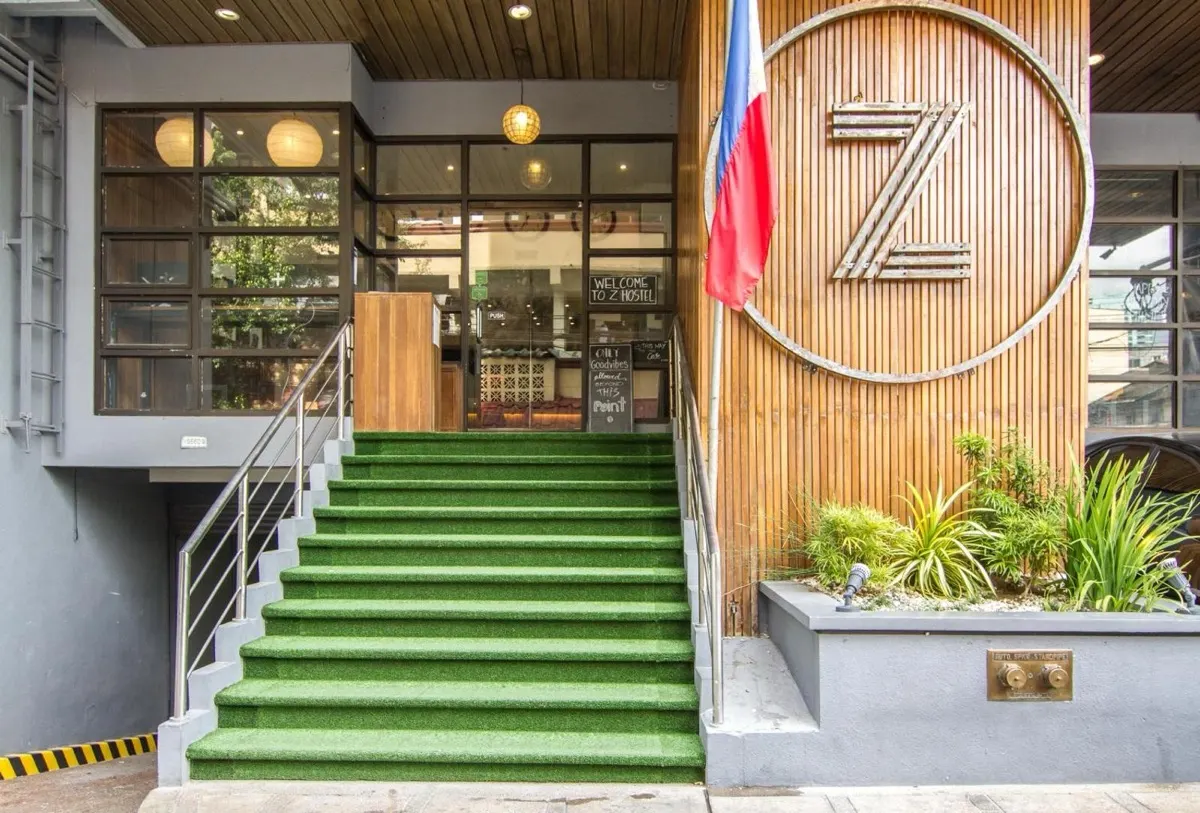
Z Hostel
A hostel in Poblacion, Makati, with a rooftop bar, hotel-like rooms and a location close to nightlife and restaurants.
Dorm beds from about ₱860–920 a night
Book on Booking.com (affiliate link) — I earn a commission if you book through itBook on Agoda (affiliate link) — I earn a commission if you book through it

Lub d Manila Makati
A large hostel on Makati Avenue in Poblacion, with dorms and private rooms, a 24-hour front desk and a rooftop bar with skyline views.
Dorm beds from about ₱1,070–1,160 a night
Book on Booking.com (affiliate link) — I earn a commission if you book through itBook on Agoda (affiliate link) — I earn a commission if you book through it
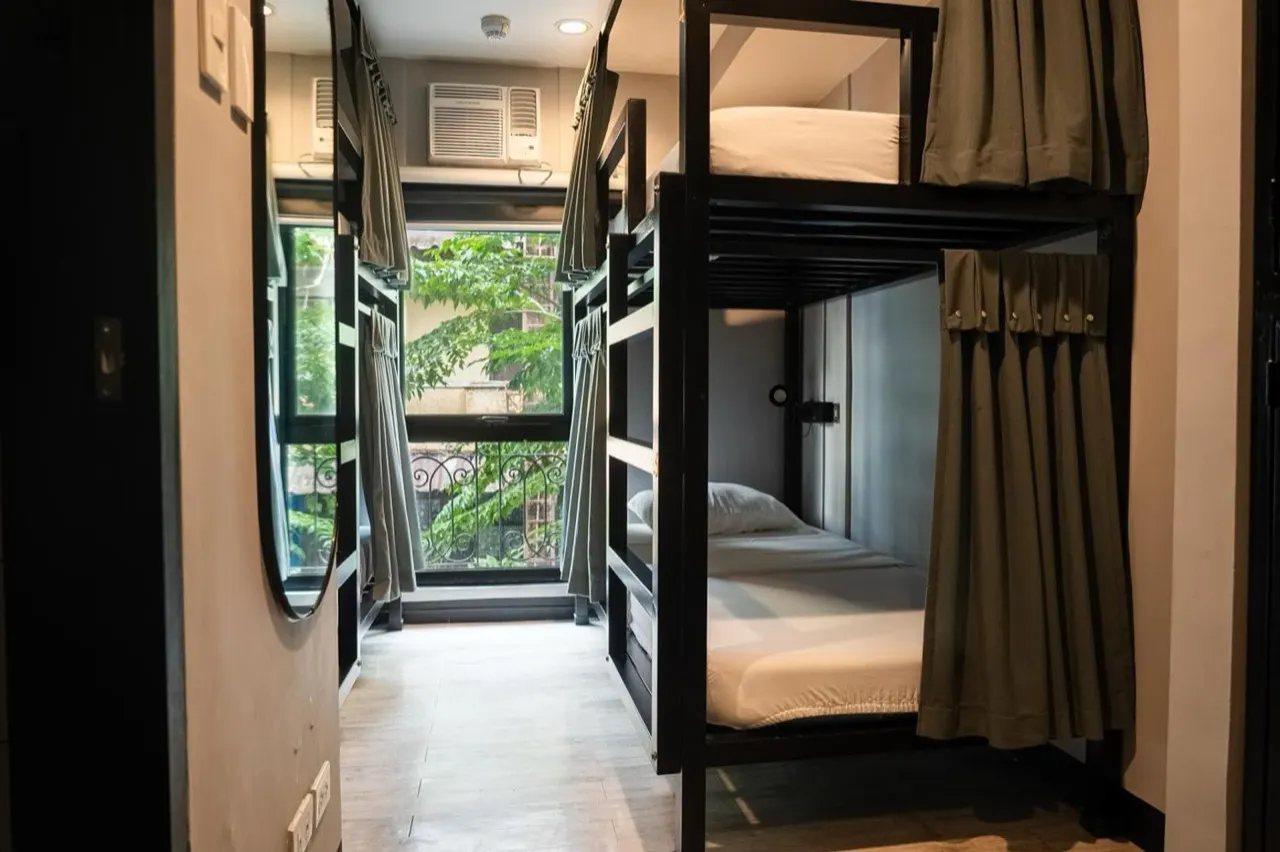
Mad Monkey Manila
An adults-only hostel on Don Pedro Street in Makati with dorm beds, a restaurant, a cocktail bar and a tour desk.
Dorm beds from about ₱1,240–1,400 a night
Book on Booking.com (affiliate link) — I earn a commission if you book through itBook on Agoda (affiliate link) — I earn a commission if you book through it
The best budget stays in Manila
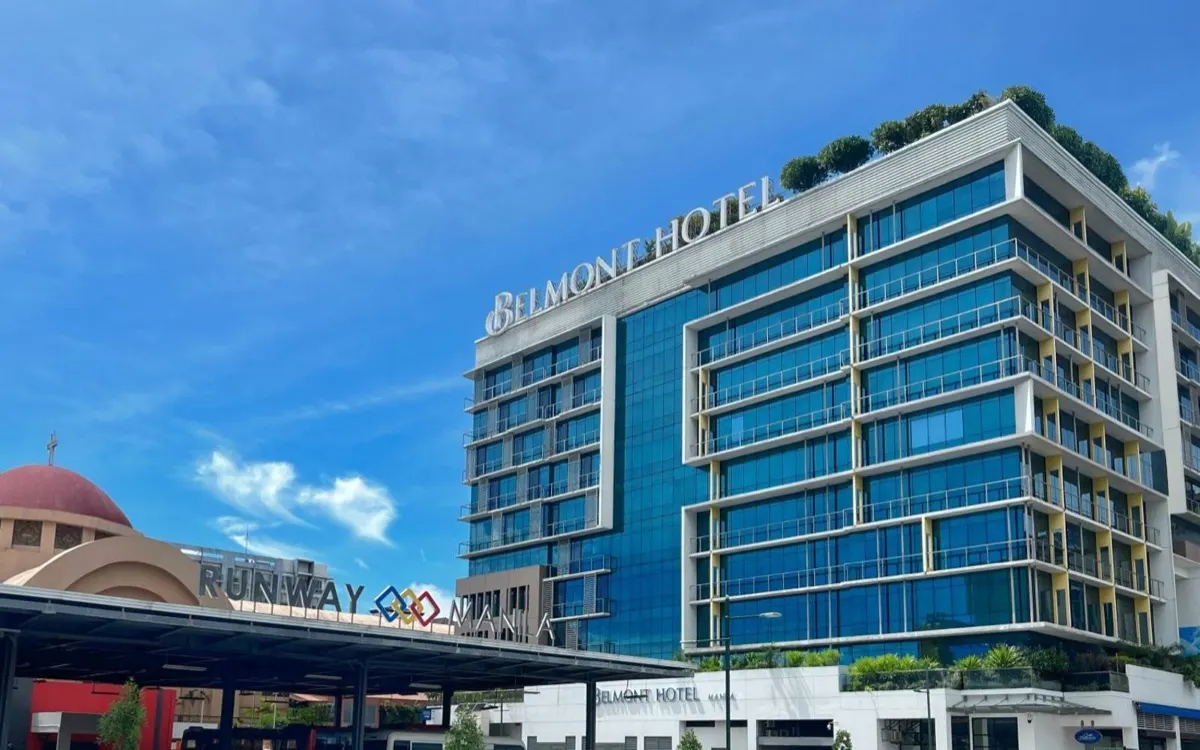
Belmont Hotel Manila
A hotel in Manila about 700 metres from NAIA Terminal 3, suited to a night before or after a flight.
Book on Booking.com (affiliate link) — I earn a commission if you book through itBook on Agoda (affiliate link) — I earn a commission if you book through it
F1 Hotel Manila
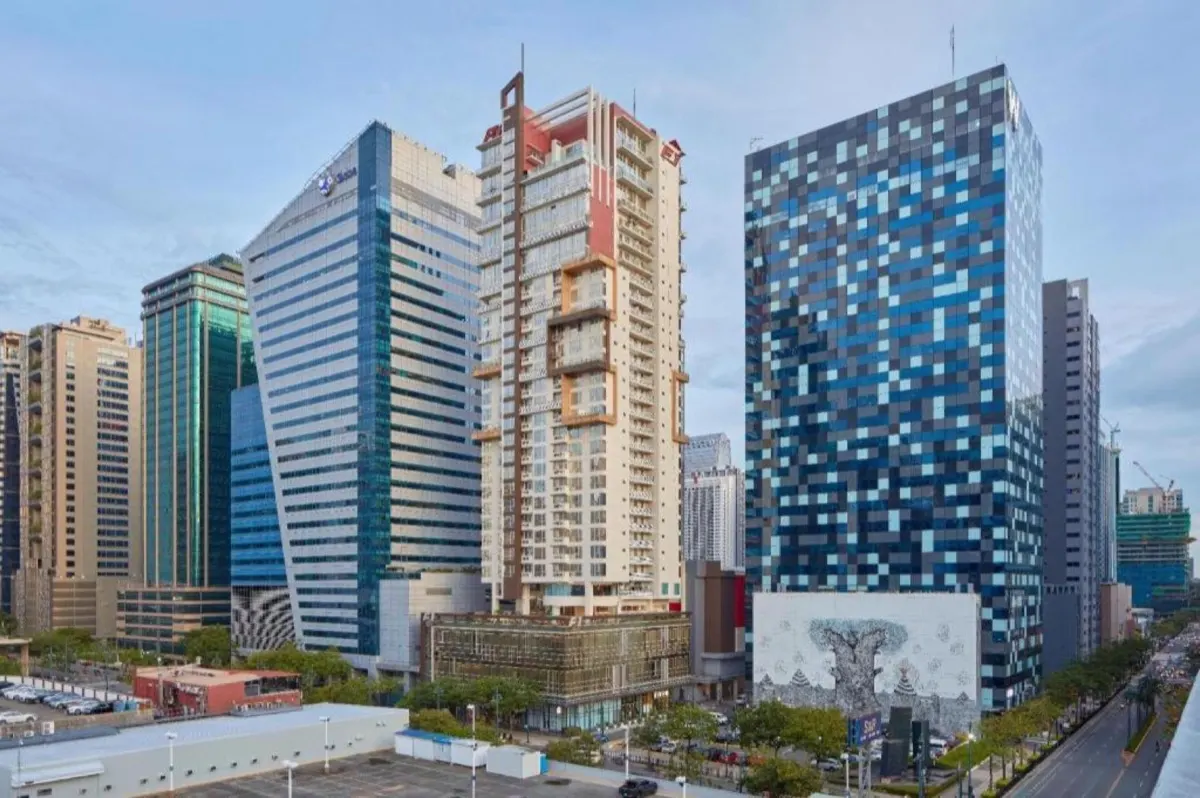
A value-priced hotel near Bonifacio Global City in Manila.
Book on Booking.com (affiliate link) — I earn a commission if you book through itBook on Agoda (affiliate link) — I earn a commission if you book through it
Pension Natividad
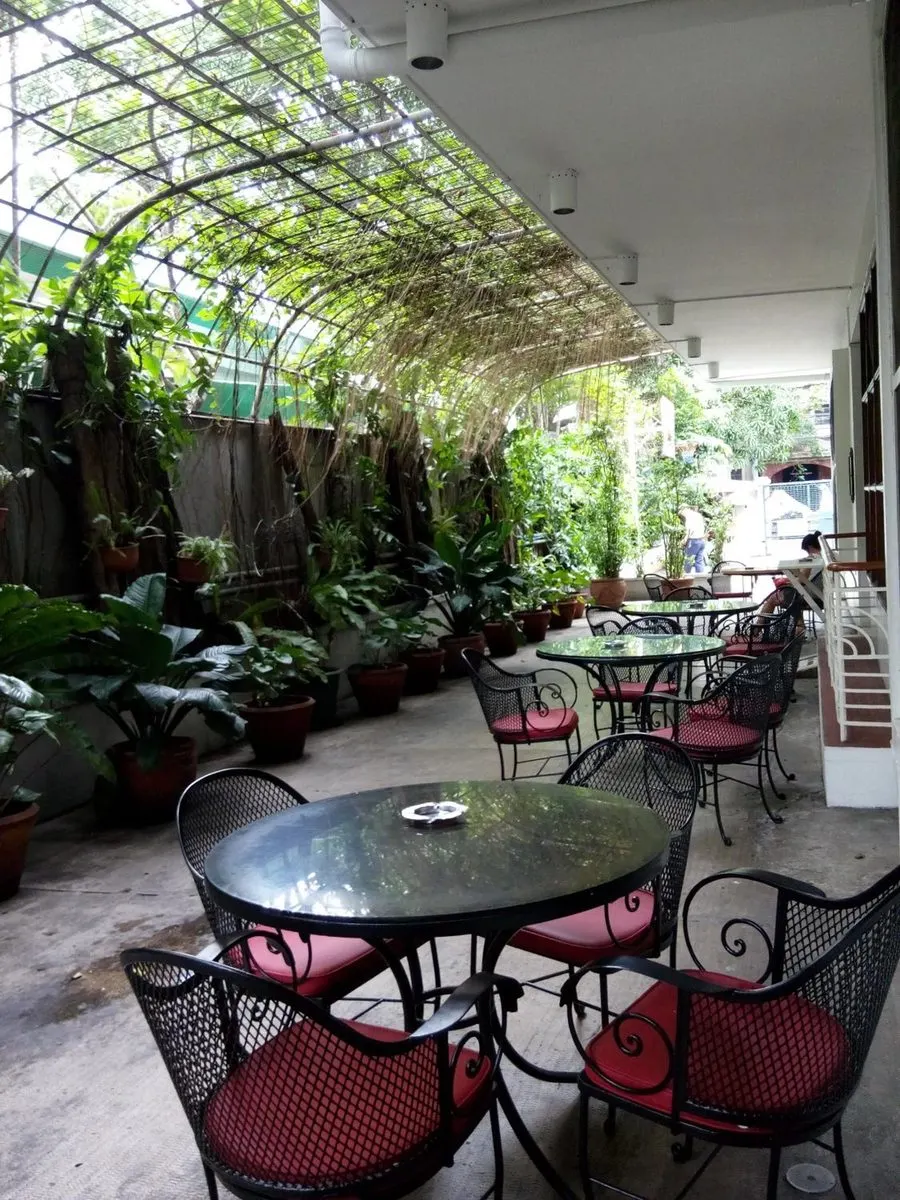
A pension house near Manila's airport on the Pasay and Parañaque side, handy for flights.
Book on Booking.com (affiliate link) — I earn a commission if you book through itBook on Agoda (affiliate link) — I earn a commission if you book through it
Skyport Hotel
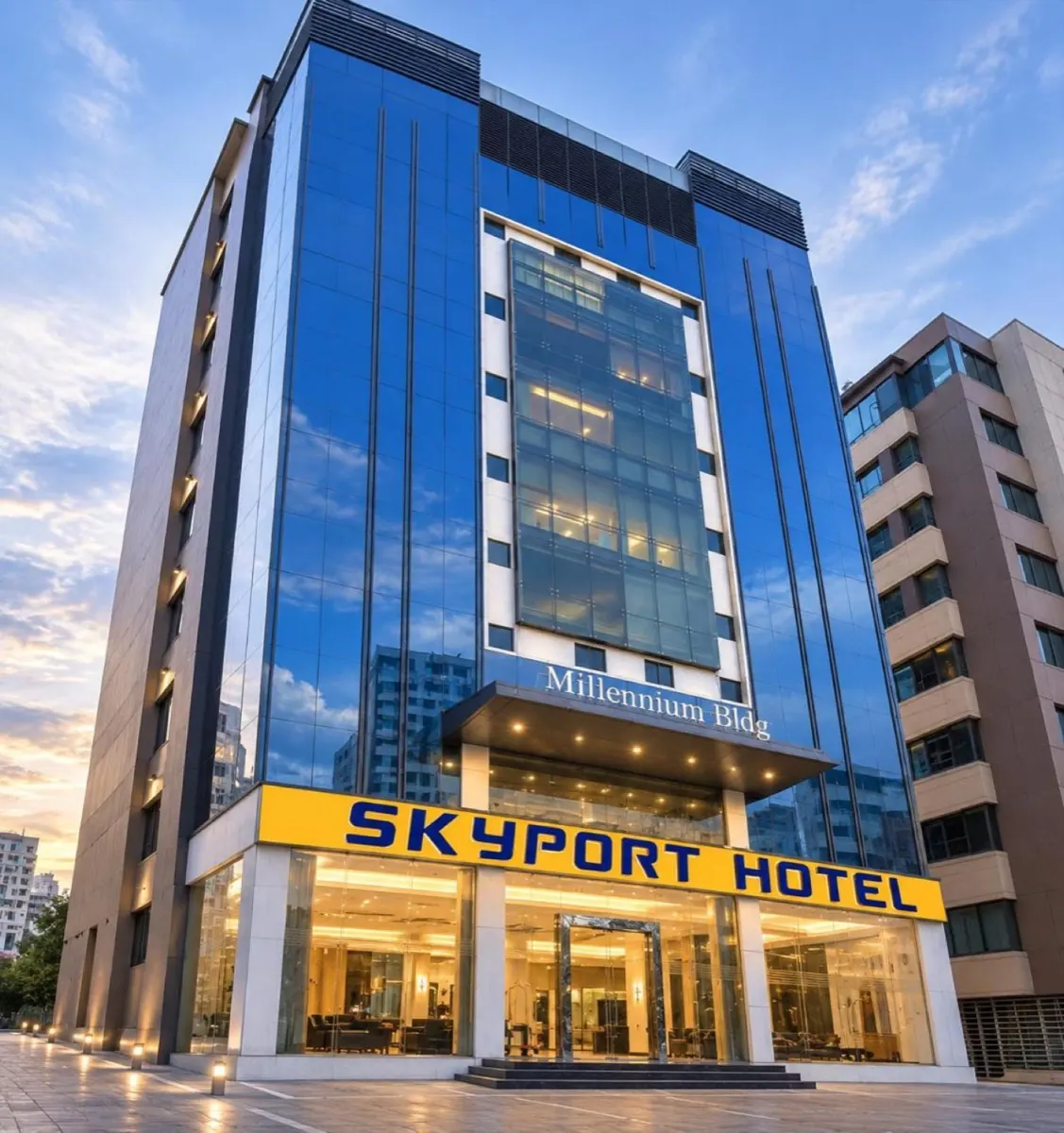
A hotel in Parañaque, Manila, about 2km from NAIA airport.
Book on Booking.com (affiliate link) — I earn a commission if you book through itBook on Agoda (affiliate link) — I earn a commission if you book through it
The Fort Budget Hotel
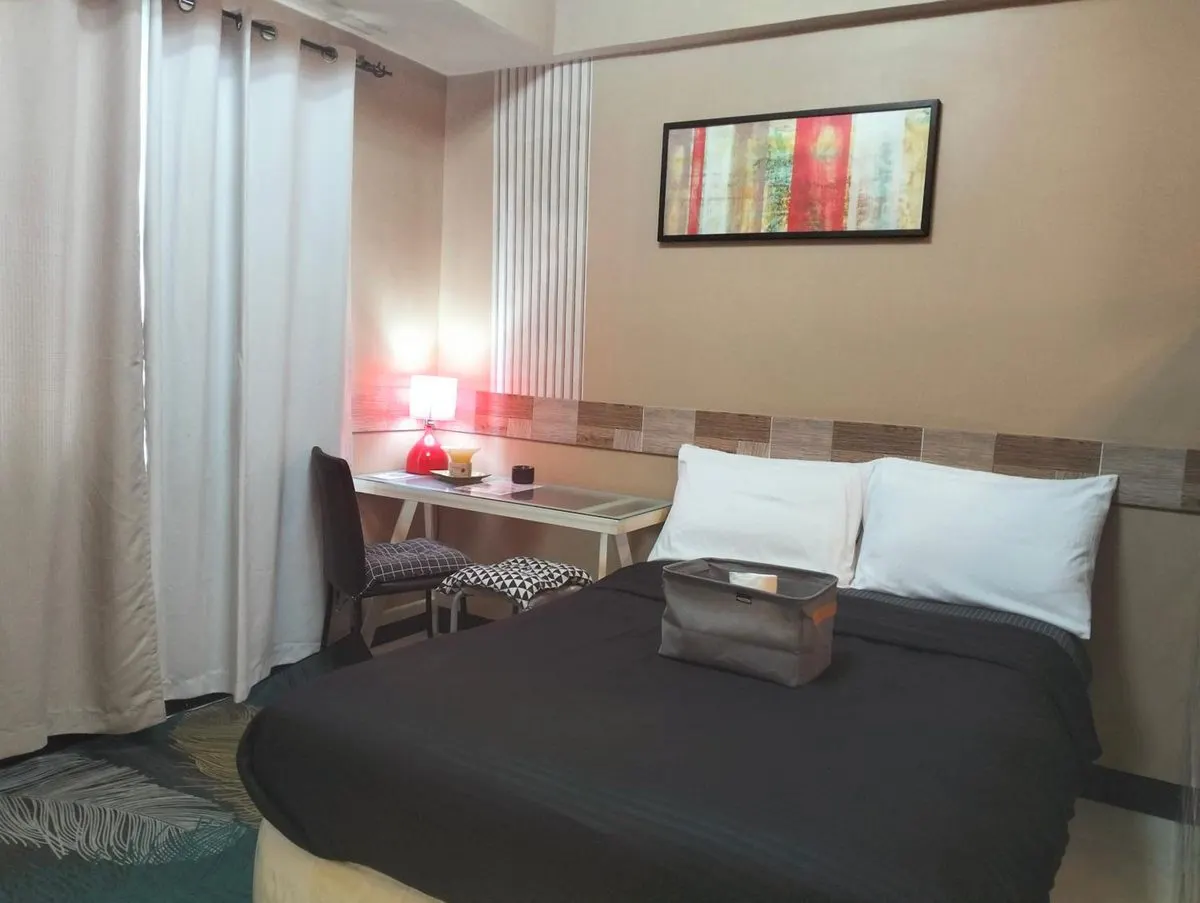
A budget hotel near Bonifacio Global City in Manila.
Book on Booking.com (affiliate link) — I earn a commission if you book through itBook on Agoda (affiliate link) — I earn a commission if you book through it
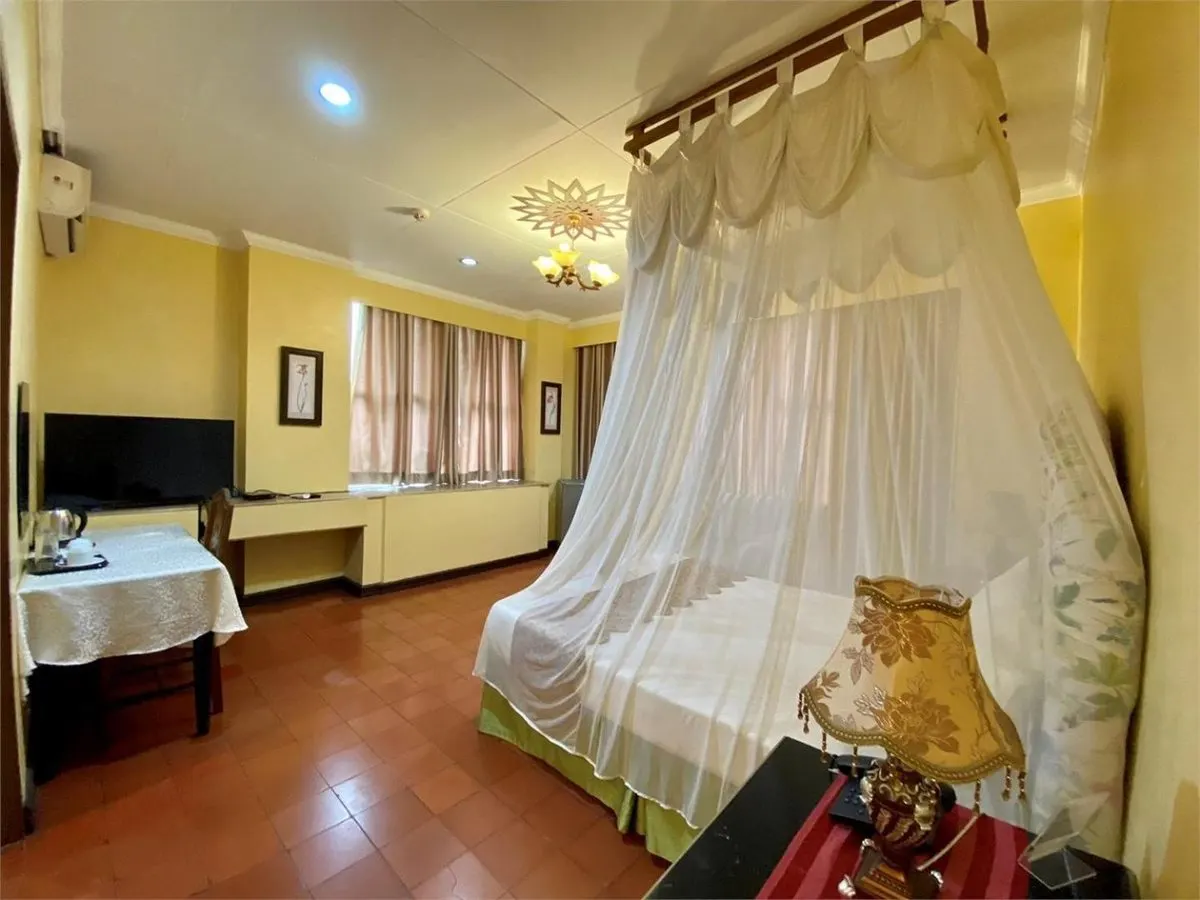
White Knight Hotel Intramuros
A budget hotel in Intramuros, Manila, a short walk from The Manila Hotel and The Bayleaf.
Book on Booking.com (affiliate link) — I earn a commission if you book through itBook on Agoda (affiliate link) — I earn a commission if you book through it
The best resorts and hotels in Manila
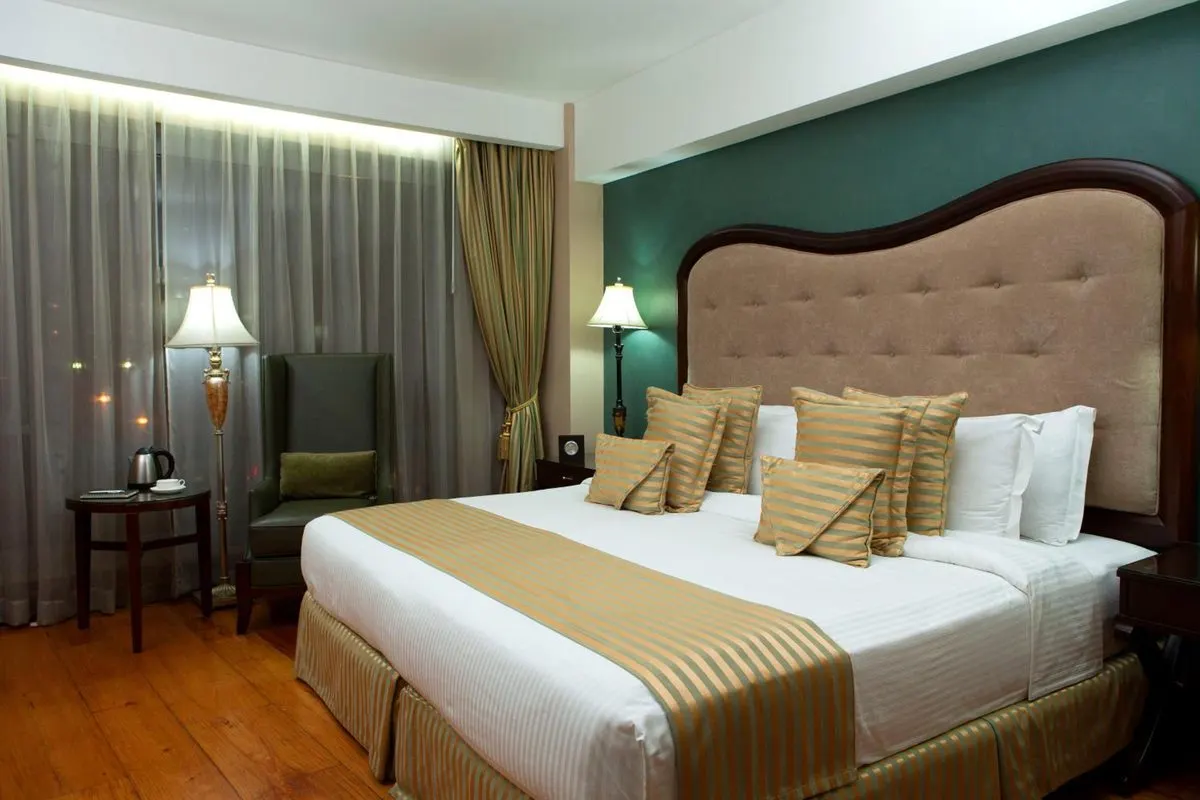
Hotel Celeste
A small boutique hotel in Makati, Manila, with cosy rooms.
Book on Booking.com (affiliate link) — I earn a commission if you book through itBook on Agoda (affiliate link) — I earn a commission if you book through it
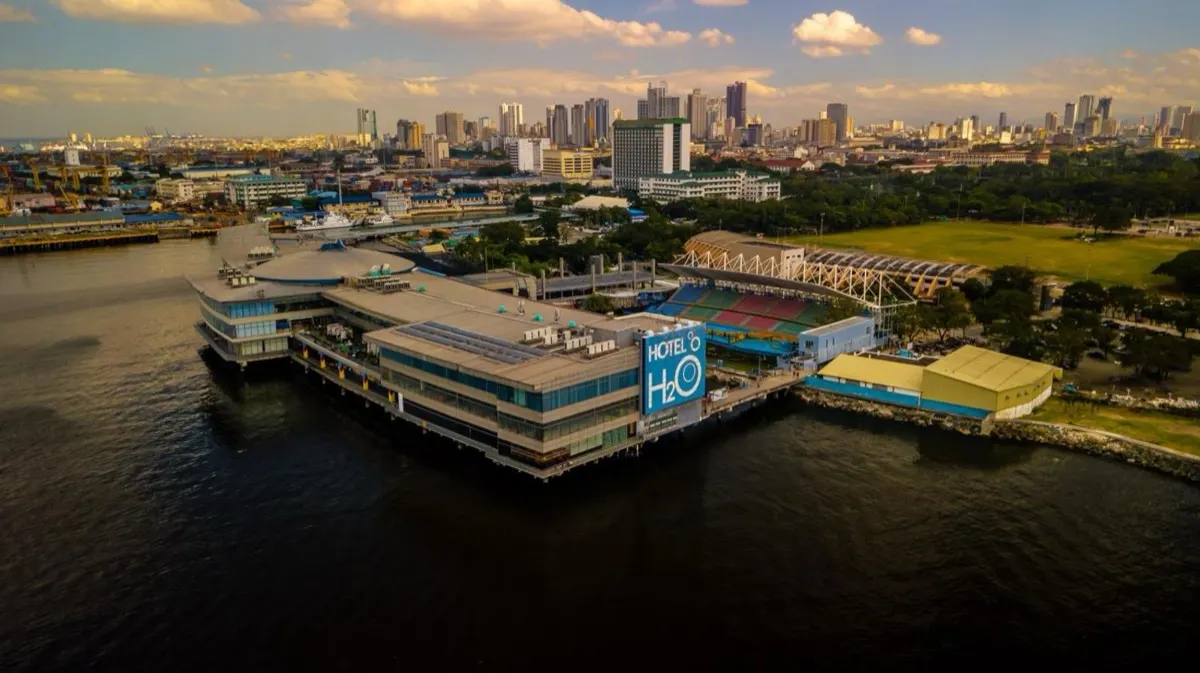
Hotel H2O
An aquarium-themed boutique hotel a few blocks from Rizal Park and Intramuros in Manila, with bay views.
Book on Booking.com (affiliate link) — I earn a commission if you book through itBook on Agoda (affiliate link) — I earn a commission if you book through it
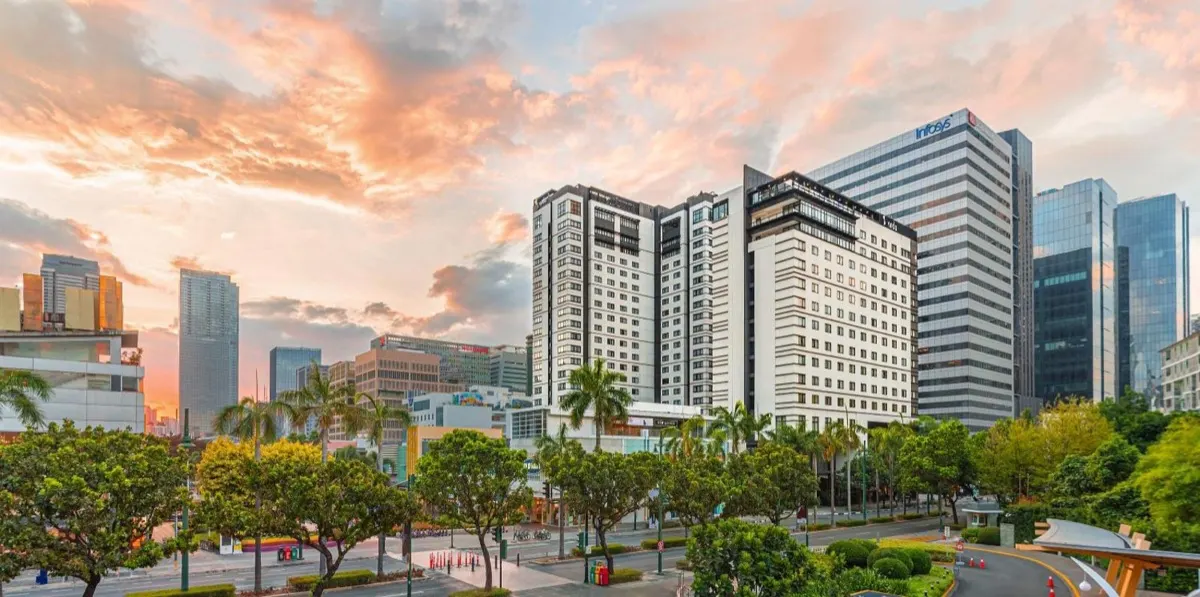
Seda BGC
A hotel in Bonifacio Global City, Manila, within walking distance of BGC's shops and dining.
Book on Booking.com (affiliate link) — I earn a commission if you book through itBook on Agoda (affiliate link) — I earn a commission if you book through it
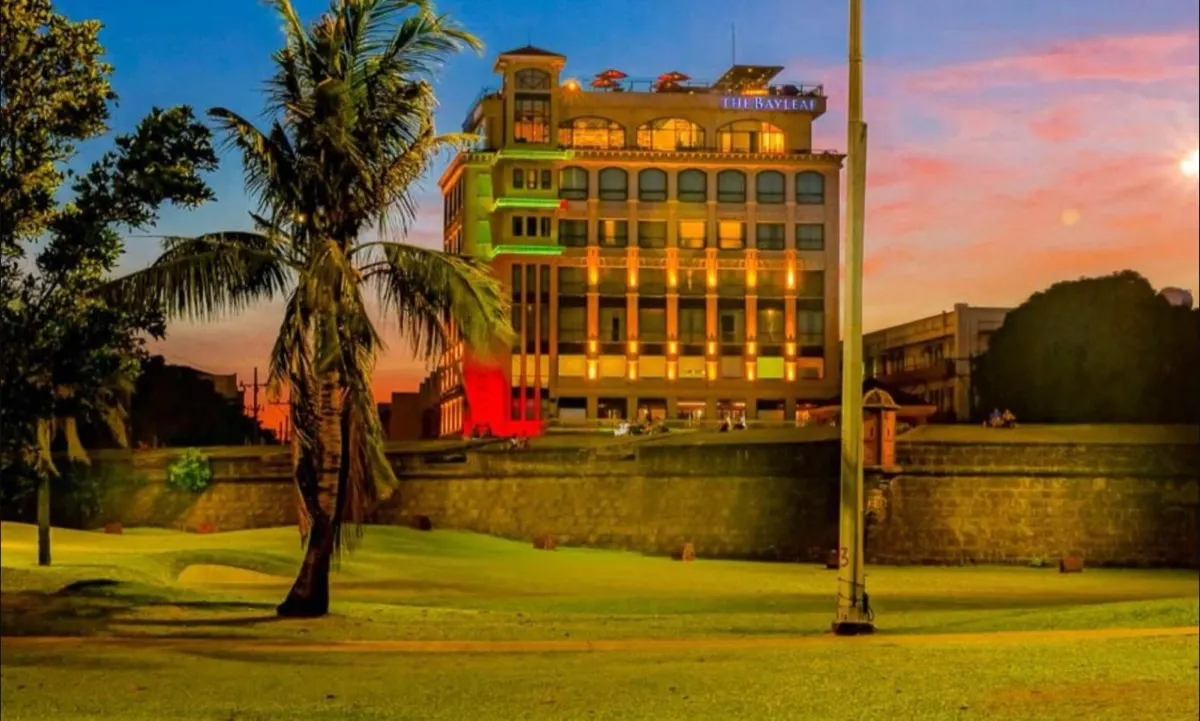
The Bayleaf Intramuros
An upper mid-range hotel in Intramuros, Manila, where the rooftop bar is the main draw.
Book on Booking.com (affiliate link) — I earn a commission if you book through itBook on Agoda (affiliate link) — I earn a commission if you book through it
Prices checked 21 October 2026, they change with dates.
More places to stay: every stay I recommend in the Philippines and the best hostels in the Philippines.
Questions people ask
Where do most foreign visitors stay in Manila?
Makati, and within it the Poblacion neighbourhood, which is where most hostels, bars and the party scene are. It is also close to the business district, so hotels and restaurants are easy to find.
Where should I stay in Manila for a hostel and nightlife?
Poblacion in Makati. Hostels, bars and late-night food are within walking distance of each other, so you do not need a taxi to get home.
Is Bonifacio Global City (BGC) worth the extra cost over Makati?
If you want a modern, walkable, quieter base for a first visit, yes. BGC is calmer than Poblacion at night and suits an easy arrival more than a big night out.
Should I stay in Intramuros for the history, or visit it from Makati?
Visit it for a day from Makati or BGC unless the old city is specifically why you came. Intramuros is quiet in the evening, with fewer restaurants and bars than the business districts.
Where should I stay if I only have a layover?
Close to the airport, in Pasay or Parañaque. Manila traffic is heavy, so an early flight is much easier from a hotel near the terminals.
How many days do I need in Manila?
Most visitors treat it as a 1-2 night stopover between flights or before heading to an island, enough for Intramuros and one evening out, see Manila in 2 days for how that splits.
Do I need to book ahead in Manila?
For Poblacion's better-located hostels, yes, especially on weekends, booking a few days to two weeks ahead is safer than arriving and looking.
Where should I stay in Manila on a budget?
Poblacion in Makati has the widest range of hostels and budget guesthouses, see the comparison table above.
Is Manila safe for tourists?
Generally yes, especially in Makati and BGC, where private security, good lighting and a density of hotels and malls make it easier to feel at ease than in older, busier parts of the city. Normal city precautions still apply everywhere: use registered taxis or ride-apps, and keep valuables out of sight.
Is Intramuros safe to walk around in the evening?
It is quiet after dark, with far fewer people on the street than Makati or BGC. Most day visitors treat that as a reason to leave before evening and have dinner back at their base instead, rather than staying out in the old city at night.
What's the best time of year to stay in Manila, traffic and flooding-wise?
December to April, the dry season, when rainfall is lightest and flooding is least likely. The wet season runs roughly June to November, and some streets in Manila flood during that stretch, which slows an already slow trip between these four areas even further, see [Manila: best time to visit](/guides/manila-best-time-and-cost).
Can I use Grab to get between Makati, BGC, Intramuros and the airport, or should I rely on taxis?
Grab, for predictability: the fare is fixed and shown before you book, unlike a street taxi. See Getting around Manila above for the fare ranges.
One email when there is a new guide
I write when there is a new guide, and only then.